Following Nature
Marcus Aurelius once wrote: "Don't be distracted. Keep walking. Follow your own nature, and follow Nature—along the road they share." For me, Nature is both a path and a continuous inner source unfolding throughout my life.
Before I began school, I spent my early childhood in a small mountain village in central Taiwan. It was a time deeply intertwined with the rhythms of the natural world—the fog, the forests, the shifts of weather and light, the quiet growth of plants. Even after moving to Taipei and later relocating to Europe, this early experience remained embedded in my bodily memory. "Home," to me, is not a constructed space but a sense of belonging that is only fully awakened in the presence of forests and nature.
Living in the French countryside for the past few years has brought this memory to the surface again. I came to understand that my most natural state is not shaped by the structure of cities but by the cycles of the natural world. I take great pleasure in observing the smallest details—how a leaf turns, the humidity held within a flower, or the invisible particles suspended in the air. Nature is both a rhythm and a guide. It exists outside of me and within me at the same time.
Seasons as a Creative Syntax
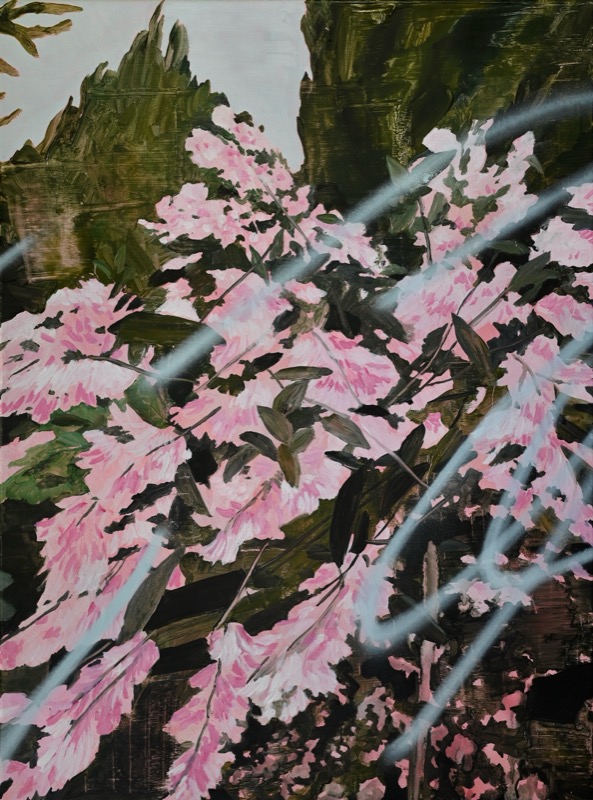
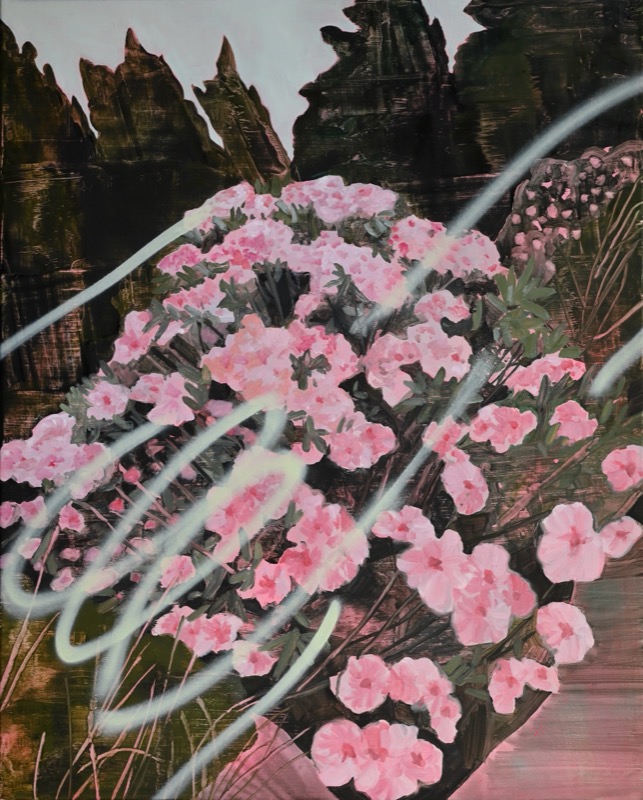
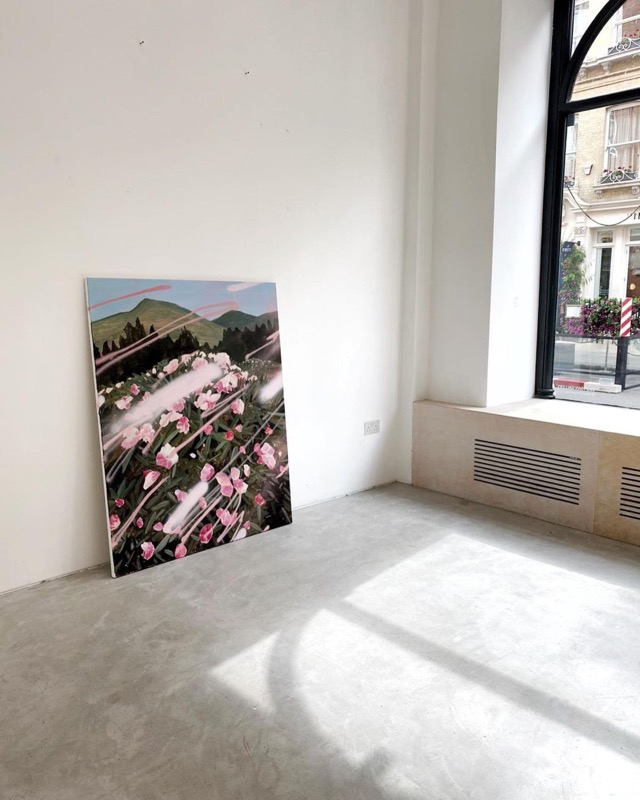
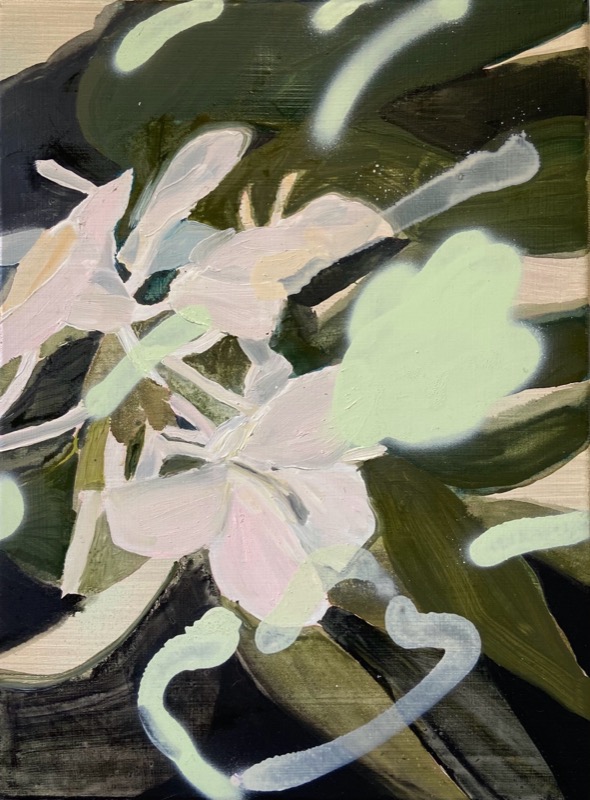
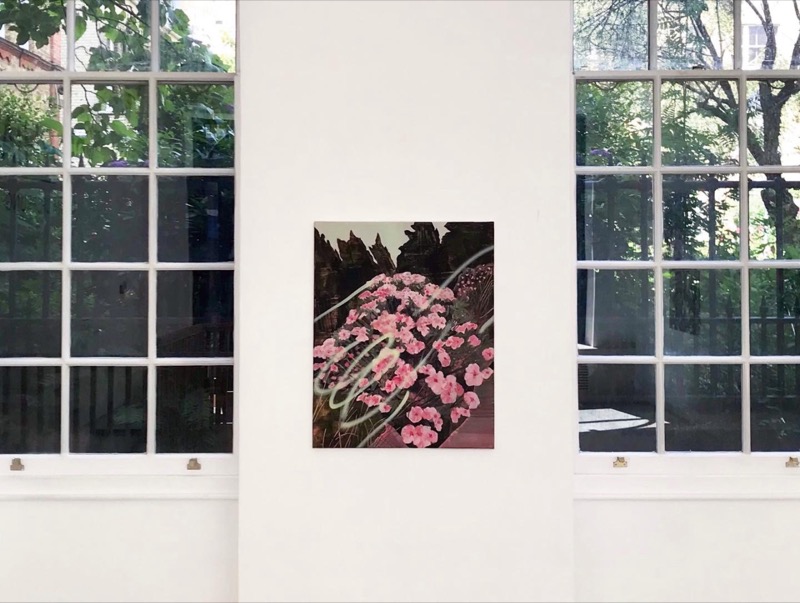
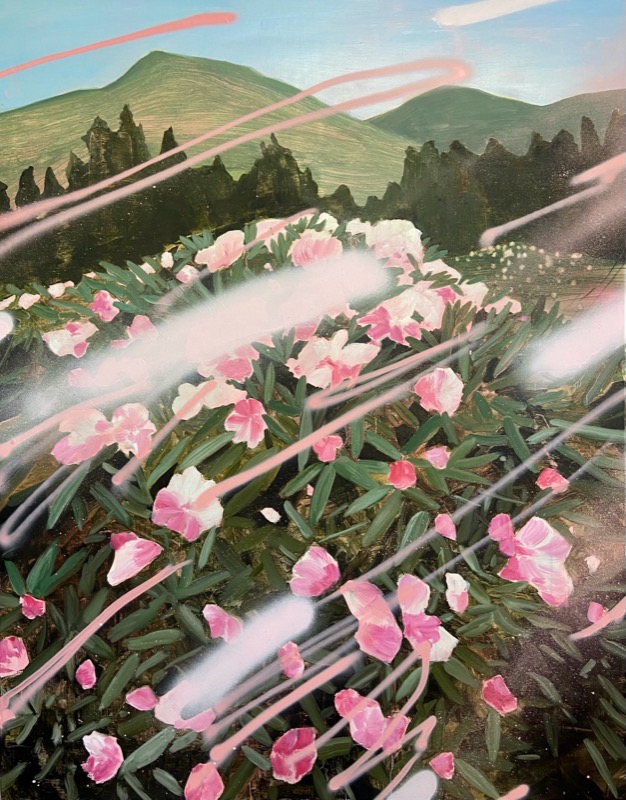
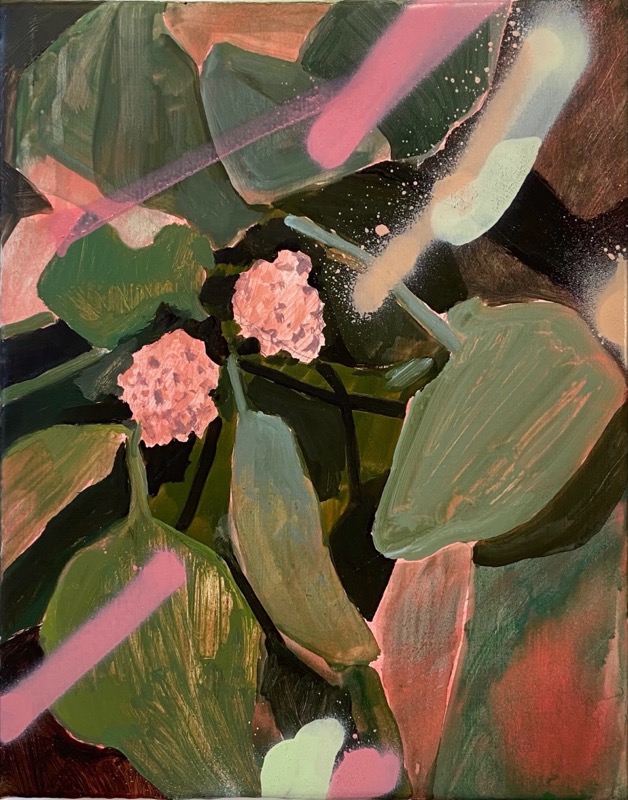
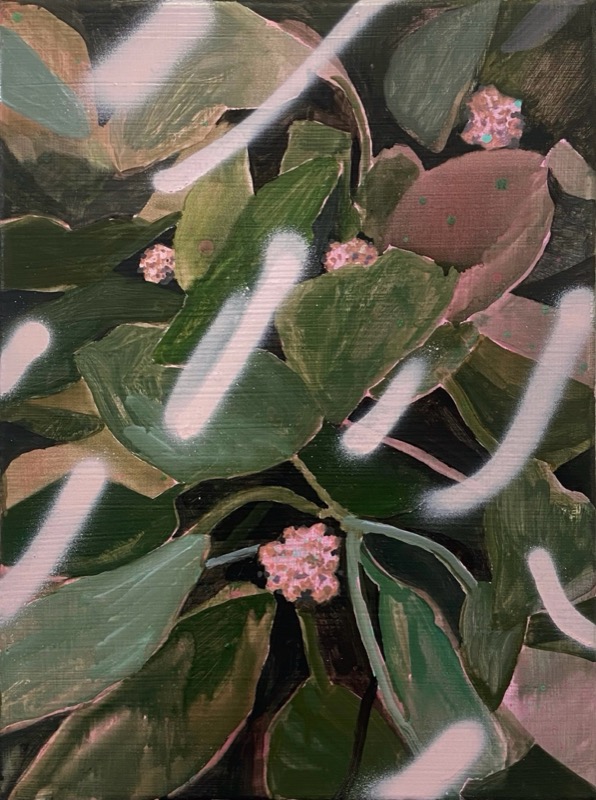
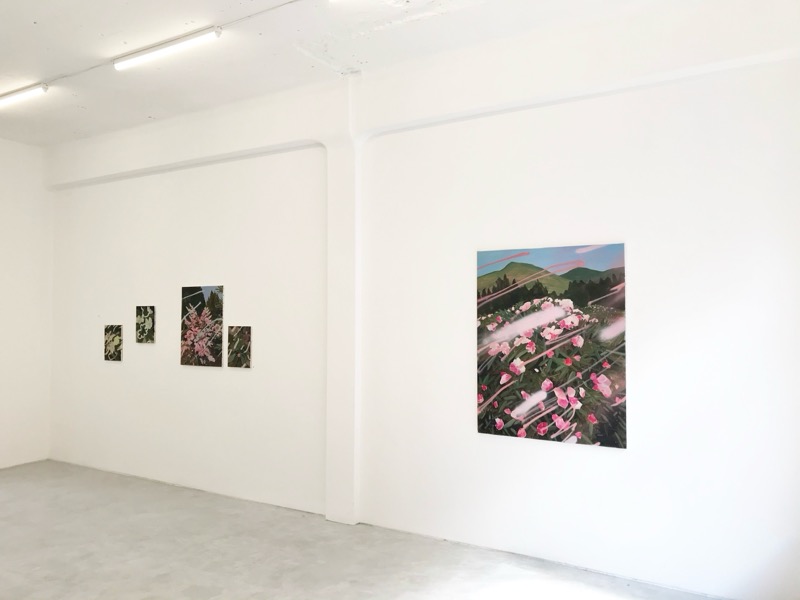
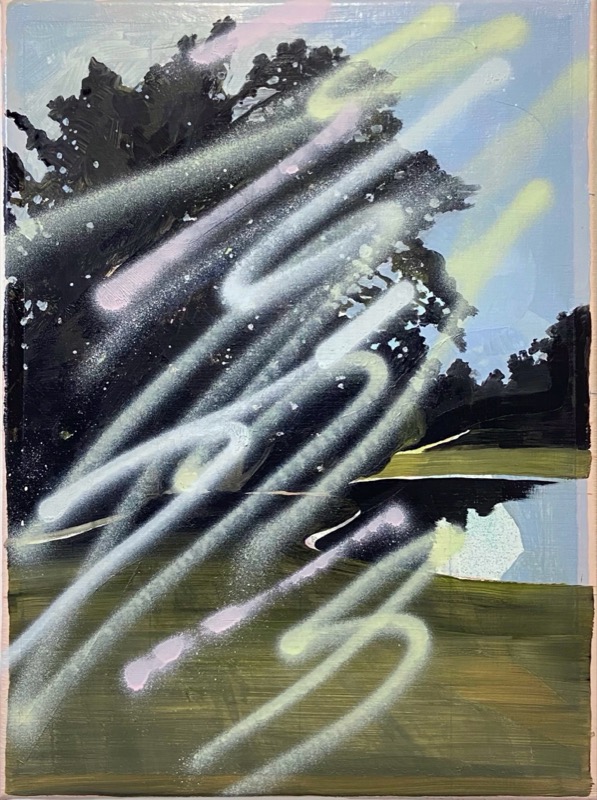
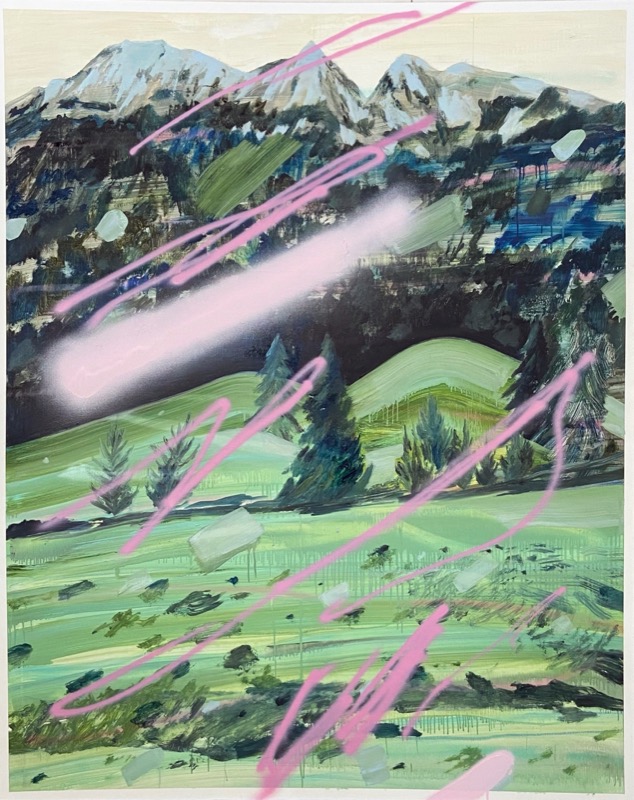
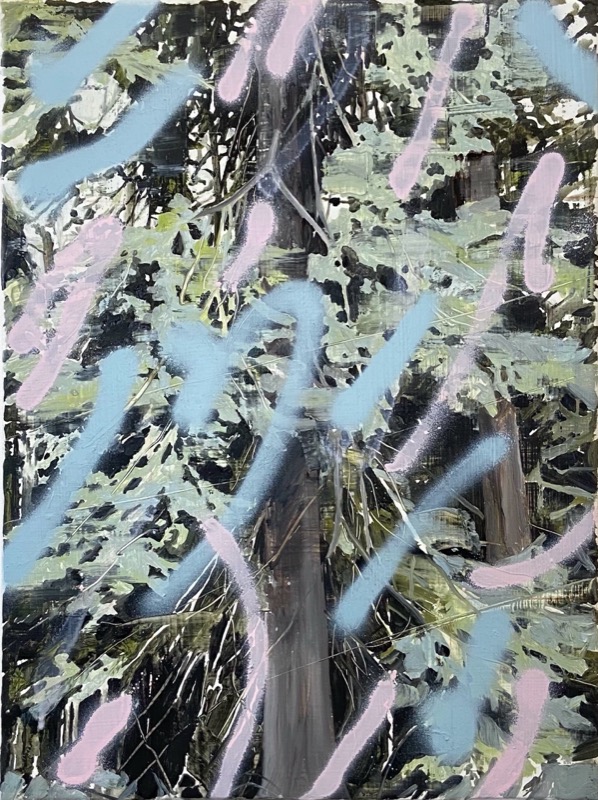
My work develops in tandem with the seasons. The trees, forests, mountains, and atmospheric conditions I depict are not simply landscapes; they are fragments of natural rhythm. On the canvas, I attempt to capture temperature, moisture, and the movement of air, rather than merely represent a recognizable scene.
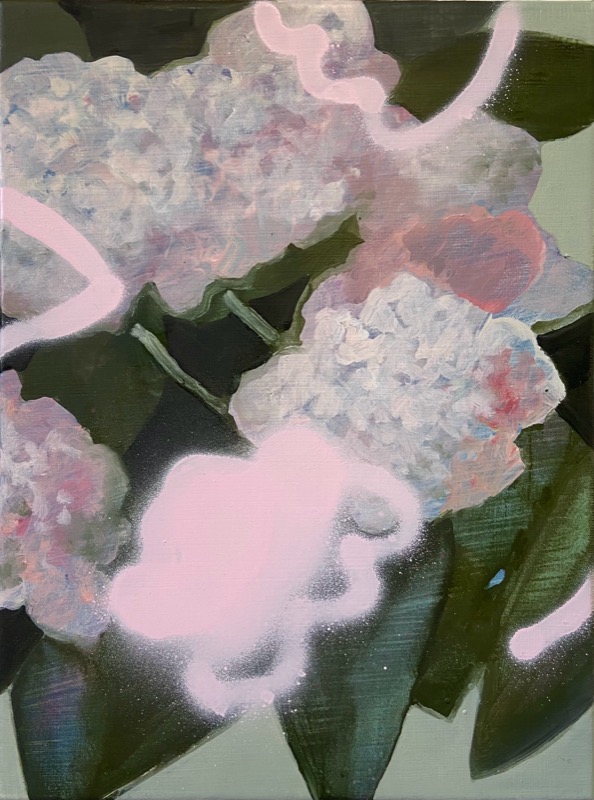
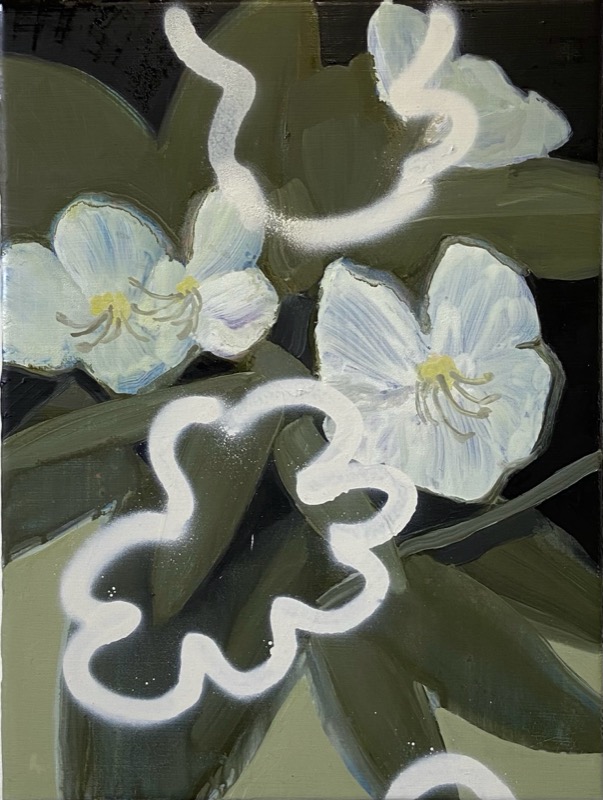
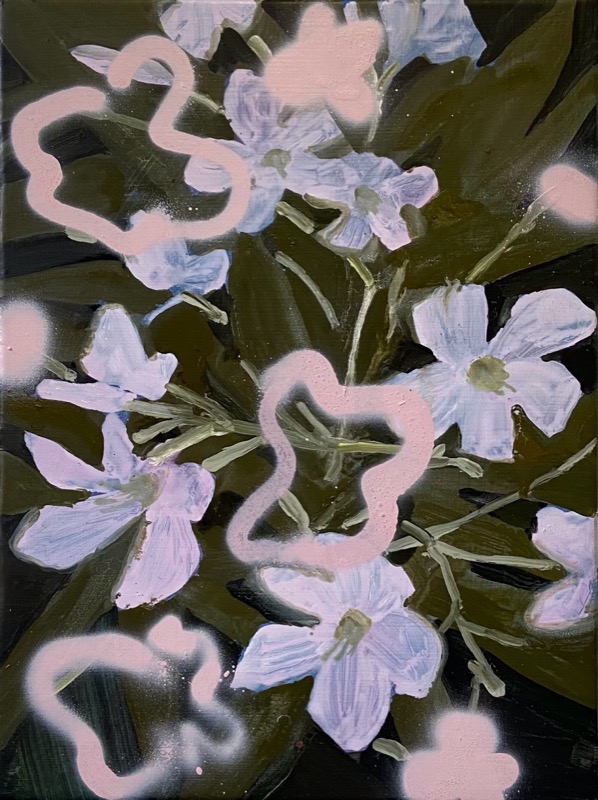
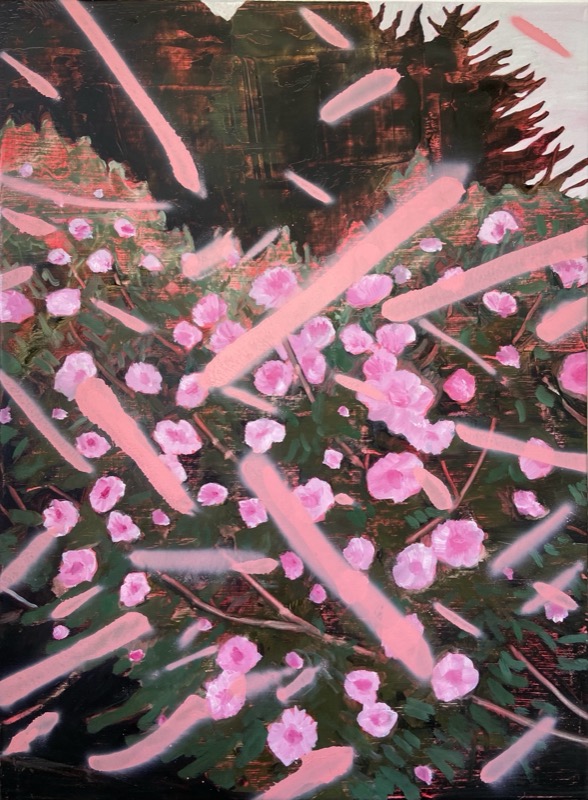
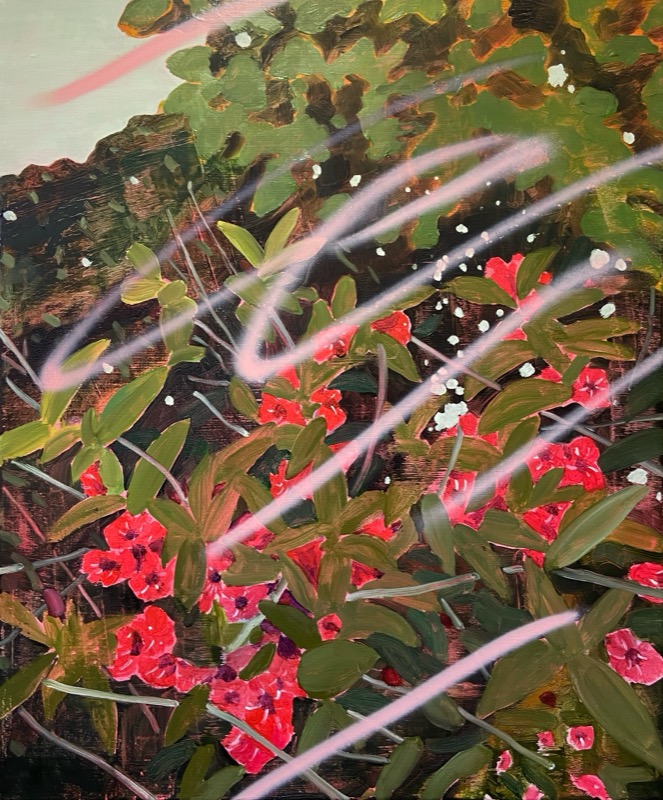
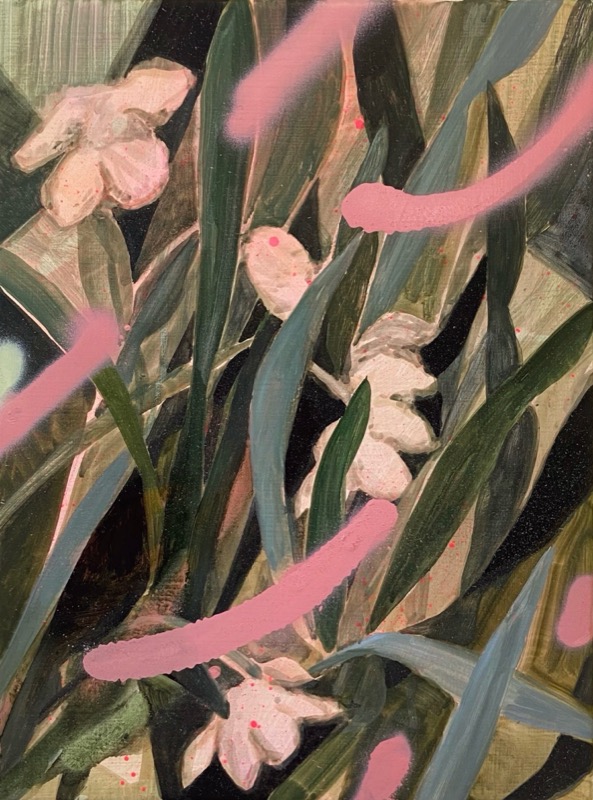
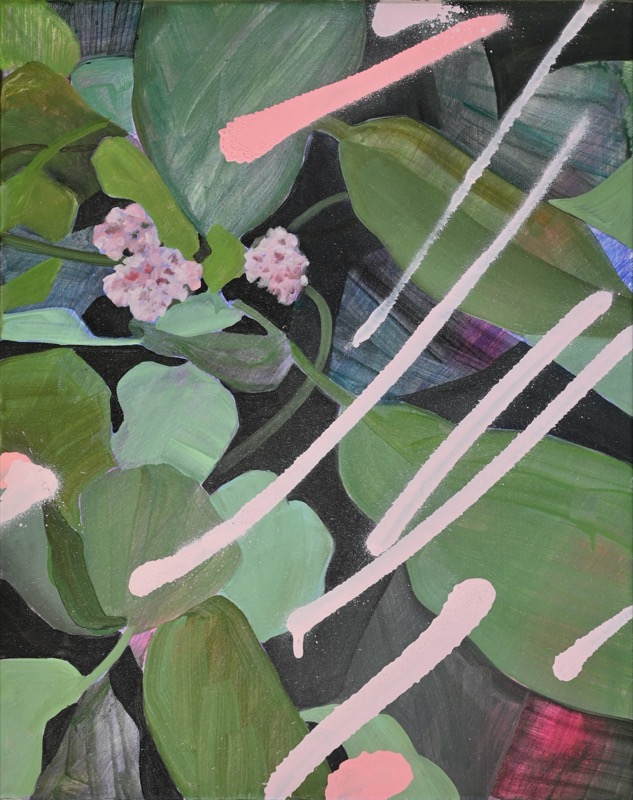
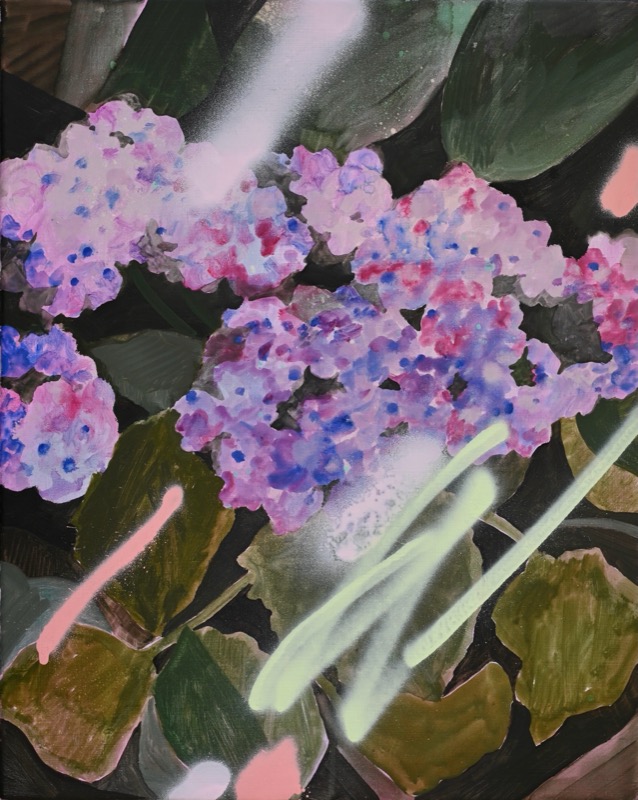
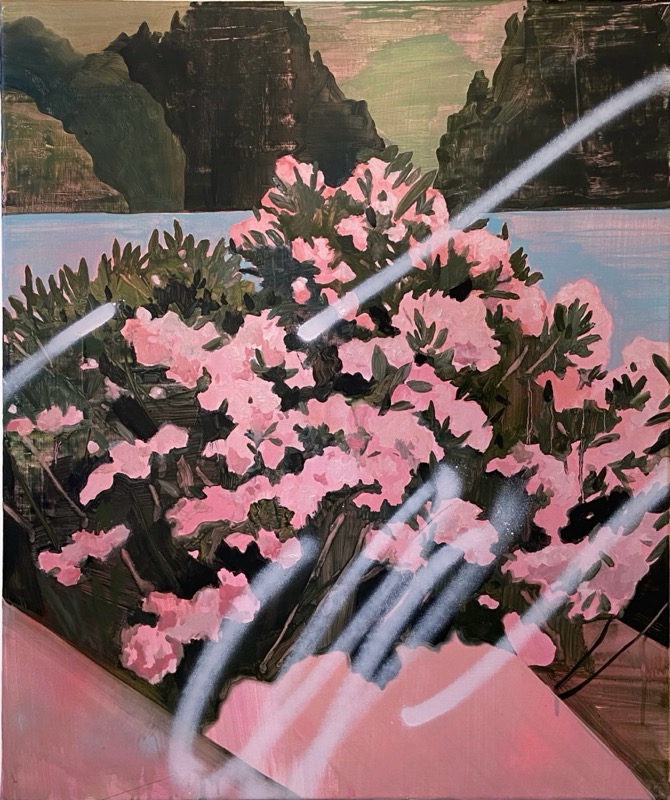
I intervene in the oil painting with layers of spray paint—an approach that carries multiple intentions. Spray paint may evoke wind, rain, the diffusion of sunlight, the trace of an insect, or the drifting of pollen. Yet conceptually, it also marks the presence of human interference in ecological environments—an imported urban gesture within a natural context.
In my visual vocabulary, oil paint signifies Nature, while spray paint signifies the human. The two materials converge, collide, obscure, disappear, and regenerate. Their apparent contradiction becomes a site of negotiation: the surface is shaped by cycles of erasure, covering, and rebuilding, forming a precarious yet dynamic balance.
Finding a Position Between Abstraction and Figuration
My painting begins with figuration, but the methodology is built on processes of destruction and renewal. Forms and lines are repeatedly fragmented, rewritten, and reconstructed, keeping the image in constant motion—hovering between the abstract and the representational. Through this process, the meaning of the image is continuously reconfigured. It becomes not a depiction of nature, but a visualization of perceptual experience itself.
Negotiating the Space Between Humans and Nature
The relationship between oil paint and spray paint mirrors the ongoing negotiation between humans and nature. I am not seeking to merge the two into a single language; rather, I am searching for a tension in which both can coexist. The final image is not the endpoint of conflict, but a temporary state of balance.
This balance reflects a central theme in my life: How does one coexist with the natural world? How does one coexist with one's own nature? How does one find a position between the order of the world and the rhythm of the self?
My paintings extend this shared path—to follow nature is also to follow one's true nature.